
A window that faces the afternoon sun can turn a beautiful Florida room into the least-used space in the house. That is often where Bahama shutter reviews begin: homeowners want shade without losing the character of their home or sealing themselves indoors.
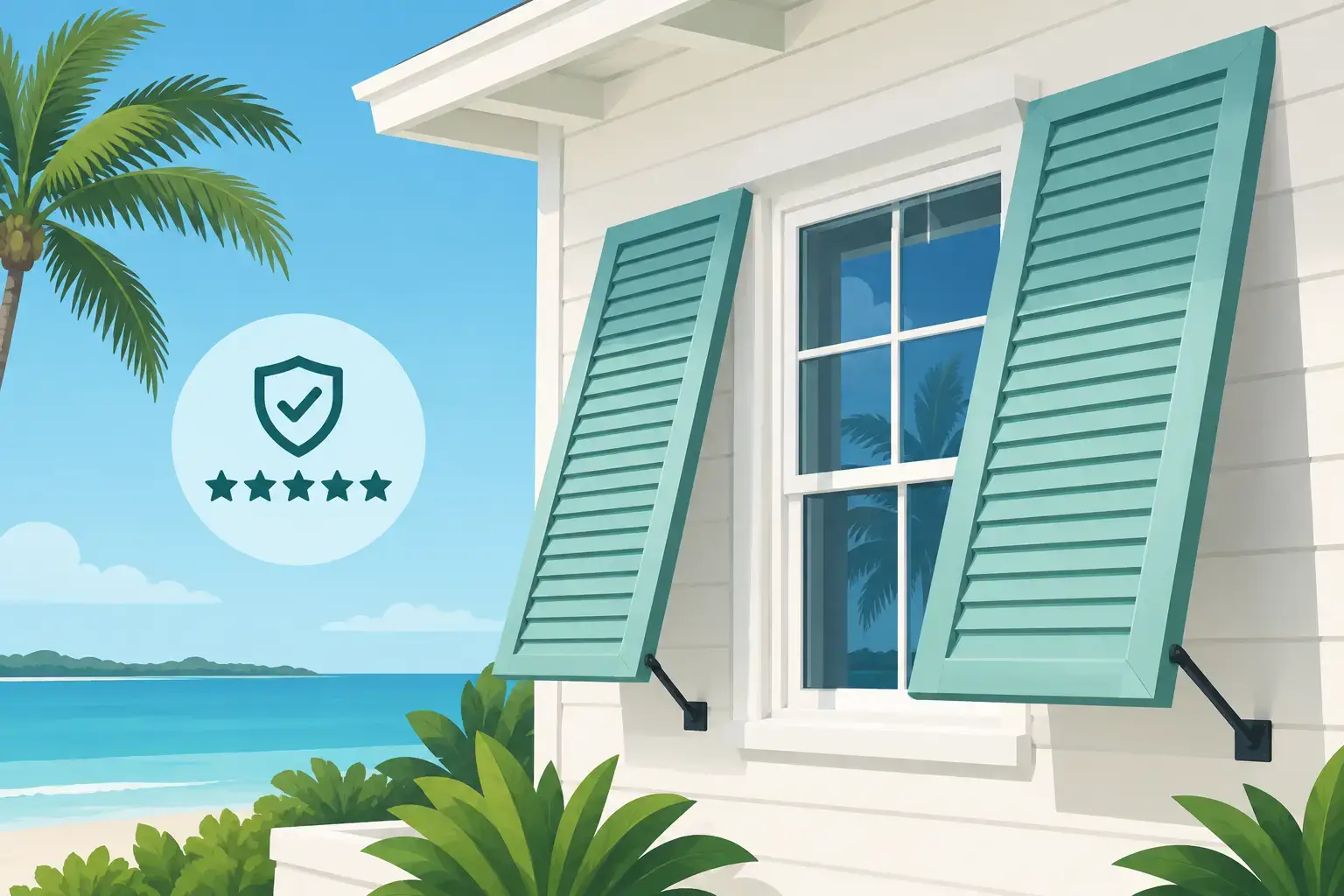
Bahama shutters are recognizable for their top-hinged design. They project outward at an angle, creating a distinct island-inspired look while shading glass from direct sun. For homes across Fort Myers and Southwest Florida, they can provide a practical answer to glare, heat, privacy, and curb appeal. But they are not the right choice for every window, every view, or every budget.
The most useful reviews look beyond whether a shutter looks good in a photo. They consider how it performs on a specific elevation, how it is built, whether it meets local wind requirements, and how well it is installed.
What Homeowners Like Most in Bahama Shutter Reviews
The strongest positive feedback usually centers on shade. Because the shutter extends away from the wall, it helps block high-angle sunlight before it reaches the window glass. Rooms can feel more comfortable, especially on west- and south-facing sides of a home where afternoon exposure is intense.
Homeowners also appreciate the control. Bahama shutters are often adjustable, allowing occupants to change the angle of the louvers and manage light, airflow, and privacy throughout the day. Open them wider for a brighter room and a view, or tilt them down when the sun is strongest. That flexibility gives them an advantage over fixed exterior shade solutions for many windows.
Appearance is another consistent theme. The shutters add depth to a flat façade and can make a newer home feel more established or give a coastal property a finished look. Custom colors matter here. A crisp white can suit a traditional home, while bronze, gray, blue, green, or a color that coordinates with trim can create a more tailored result.
For many Southwest Florida homeowners, the best reviews also mention the difference between a standard product and a properly planned installation. A custom shutter should fit the window opening, clear surrounding trim, work with screens or other exterior elements, and look proportional to the home. Those details are not minor once the shutters are in place.
The Trade-Offs to Consider Before You Buy
Bahama shutters create shade by projecting outward. That is their strength, but it can also be a limitation. On a narrow side yard, close walkway, or window near a gate, landscaping, or outdoor seating area, the projection needs careful planning. A shutter that looks ideal from the street may be inconvenient if it extends into an active path.
They can also reduce the amount of open sky and direct light seen from inside. Some homeowners welcome that softer, filtered light. Others, especially those protecting a prized water view or trying to brighten a naturally dim room, may prefer another shade option. The louver angle and shutter position make a difference, but Bahama shutters will always be more visually present than an interior blind.
Cost is another factor that deserves an honest review. Quality shutters are custom exterior components, not a one-size-fits-all store purchase. Material, window size, hardware, finish, mounting conditions, local code requirements, and installation complexity all affect the final investment. Lower-priced options can be tempting, but thin materials, weak hardware, poor fit, or improper anchoring can lead to disappointing performance and a shortened service life.
Finally, homeowners should not assume every decorative Bahama shutter is hurricane protection. Some systems are designed and approved for storm use when secured according to their specific instructions. Others are primarily shade and architectural shutters. The difference is critical in Florida. Ask directly what a proposed shutter is designed to do and what procedures are required before a storm.
Material and Construction Make a Major Difference
When reading reviews, look for comments about how shutters hold up over time, not only how they looked on installation day. Southwest Florida sun, humidity, salt air near the coast, wind, and driving rain place real demands on exterior products.
Aluminum is a common choice because it is strong, relatively lightweight, and well suited to custom fabrication. A quality finish helps it maintain its appearance under constant sun exposure. Hardware deserves just as much attention. Hinges, support arms, fasteners, adjustment mechanisms, and louver components should be selected for exterior conditions and installed correctly.
The shutter should also be sized and supported for its individual opening. Larger windows may require a different configuration than smaller bedroom windows. Mounting into the appropriate structure is essential, particularly where wind exposure is a concern. A finished shutter may conceal the mounting details, but those details are what help determine long-term reliability.
A professional should inspect the wall condition, trim, window depth, surrounding obstructions, and intended use before recommending a design. That assessment is especially valuable on older homes, waterfront properties, condos with association requirements, and homes undergoing exterior renovations.
How Bahama Shutters Perform in Florida Weather
Bahama shutters are especially effective for everyday sun control. By shading a window from the outside, they reduce direct solar exposure before heat enters the glass. They can also make a covered-feeling transition between the home and the outdoors, which is appealing on pool homes and coastal properties.
Rain is more variable. At a favorable angle, the shutter can help limit light rain coming toward an open window. During wind-driven rain, however, no homeowner should expect a partially open shutter to replace a fully closed, weather-tight window. Their performance depends on the shutter position, wind direction, window type, and the severity of the weather.
For storm preparation, follow the instructions for the specific system installed on the home. If the product is rated for hurricane protection, owners need to know how to place and secure it properly before a storm approaches. If it is not rated for that purpose, a separate approved protection plan may be needed. Clear guidance from the installer is far more valuable than assumptions based on appearance.
Questions That Lead to Better Bahama Shutter Reviews
Before choosing a contractor or design, focus on the questions that affect daily satisfaction. Start with the sun: Which windows become uncomfortable, and at what time of day? Then consider the view, privacy needs, walking clearance, association rules, and whether storm protection is part of the goal.
It is also wise to ask what material and finish are being proposed, how the shutters will be mounted, whether the louvers are adjustable, and what maintenance is recommended. Request a clear explanation of storm-use capability rather than relying on broad product language. For a color decision, look at samples against the home’s existing stucco, roof, trim, and landscaping in natural daylight.
For commercial properties, the conversation is similar but often includes branding and customer experience. Bahama shutters can make a storefront, hospitality property, or restaurant exterior feel more inviting while reducing glare in customer-facing spaces. The design should still account for signage, pedestrian clearance, code considerations, and the look of the entire façade.
Installation Is Where the Value Becomes Real
A well-made shutter can still disappoint if it is poorly installed. Uneven alignment, hardware that binds, improper fasteners, insufficient support, and gaps around an opening affect both appearance and performance. Custom fabrication and professional installation work together: one ensures the shutter suits the opening, and the other ensures it operates as intended.
Accent Awning Company brings more than 40 years of Southwest Florida exterior shade experience to custom Bahama shutter projects. As a family-owned, licensed, and insured contractor, the company helps homeowners select a configuration that complements the property while addressing the real reasons they need shade, privacy, or visual improvement.
The right Bahama shutter should make a window easier to live with, not just more attractive from the curb. Before deciding, stand outside at the time of day the sun is most troublesome, look at the clearance around the opening, and picture how the shutter will work through an ordinary Florida afternoon. That simple exercise often makes the best choice clear.
